Ninety years ago today, my Mum was born. She was the fifth of six children born to James and Anne Fanning (nee Haimes). She didn't have an easy start to her life. Her father had been badly injured during the first world war, suffering from the effects of poison gas, which robbed him of his health. I never met my grandfather, he died in 1948, his health broken. My mother always said he was a highly intelligent man, who had been left embittered by his experiences. He was an immigrant from Ireland, coming over to England for work, but the great war ruined his health and in a country with little provision for veterans, the family struggled to make ends meet. Sadly he always put his own needs before those of the family. For exmple, during wartime rationing, he'd take the best bits of the meagre bacon
rations and leave the rind for his kids, telling them it was the "good
bit". He would never go short of a beer, regardless of the family circumstance. My mother, later in life said she realised he felt he'd probably done his bit in the war. What he did give her, that was invaluable was a fierce intellect.
My mother was born and spent her early years in Oldham, Lancashire. She remembers the extreme poverty all around of the late twenties and early thirties. She was christened Gladys Mary Fanning, named after Aunty Gladys, who was rather well off, in the hope that the venrable Auntie would smile on her. Mum hated the name Gladys, and when she was confirmed, hose the name Celia, which became her name of choice for the rest of her life. In Oldham in the 20's and 30's the great depression was hitting hard, no welfare then, even items such as shoes were viewed as a luxury. At some point in the thirties, the family moved to Kentish Town in search of work. My mother was a bright student and got a scholarship to a grammar school. Sadly her education was interrupted when she contracted diptheria at the age of 12. These were the days before immunisation and thousands of children were killed. My mother was in hospital for several months and vividly recollected how girls would turn up in the next bed to her and die a few days later. She would ask the nurses "Where is my friend?". They would smply reply "She's gone".
My mother recovered and shortly after the war started. She was evacuated to Kettering with her sister Audrey. My mother did not have fond memories of the experience. She tild me that despite the poverty in her house, her mum always filled the house with warmth and love. In Kettering, there was none of this and my mum had to watch out for herself and Audrey, who was much younger. Whe she returned she was determined not to go back again. She completed her education at St James School in Burnt Oak, where the family had moved. Her first job was in a Ladies outfitters in Bond St. She told me the lady owner had big plans for her, but the shop was destroyed by a German bombing raid. Her next job was as a switchboard operator in Barclays Bank head office in Lombard Street. This was the start of my mothers love affair with London, which she believed was the worlds finest City. She would always travel by bus, as she felt that travelling on the tube wasted the chance to see the city. She loved the 113 bus route, which then went to Oxford Circus. In 1943, she met my father. He was an officer in the Royal Australian Air Force. He was a big, confident and handsome man. He flew Wellington bombers for 40 Squadron and was on a break from his tour when they met. Interestingly, my mother thought he was Irish when she first met him, as the only people she'd met with funny accents were Irish relatives. At the start of 1944, my father flew to Italy to return to his Squadron and tour of duty. In June my mother received a telegram to say that he'd been shot down in flames and was presumed dead. Shortly after, she received another Telegram stating he was a POW in Bucharest. My Father wrote every day. They exchanged coded letters, which my father cunningly used a special code to evade German censors "It is nice here, nearly as nice as Burnt Oak in December" was one example. My father was only a prisoner of war for 68 days, leading a mass breakout and being repatriated to the UK by the USAF.
As he was shot down on his 40th mission, he'd completed his tour and so resumed a UK based role. My parents married on October 28th 1944. They had their reception at the Hunters Horn in Mill Hill, which is now the Good Earth restaurant. My father ended up based at Moreton in the Marsh RAF base as an accident investigation officer. He was discharged from the airforce in 1946. He worked at various jobs, before getting a job as chief pilot with John Howard Construction, working in the Middle East, on oil installation construction. He left my mother at home in Burnt Oak with three small children, living with her mum. Eventually my mum had enough of this and joined him in Beirut. At the end of 1950 my father, at mums behest, quit the air industry and returned to London. He set up MacMetals, a crash repair business in Bunns Lane works. My mother worked as his secretary, building up the business. I was born in 1962. The late 50's and early 1960's were difficult times for my mother. My father suffered from chronic ill health. He had an ulcer and I also believe he suffered from Post Traumatic Stress from his wartime experiences. My mother had to hold the business together during his lengthy periods in hospital. This was not easy with six children.
By the late 1960's the business had grown and my fathers health improved. Just as things seemed to be going well, disaster struck. My mother was diagnosed with stomach cancer. In 1970, she had a total gastrectomy performed by the eminent surgeon Phillip King. Dr King privately informed my father that she had zero chance of surviving more than five years, even if he removed the tumour. Without a stomach she'd slowly starve to death, as it is not possible to get enough nourishment into the body. He advised my mother to eat day and night and to drink as much Guiness as possible. She did. Both of my parents were fesity and people of faith. My mother confided to me that once she'd had the tumour removed, she never doubted she'd survive. She'd take biscuits to bed and tuck in every couple of hours. By the end of the 1970s, she was up to eight pints a night. Dr King advised that three or four would be sufficient..
In 1976, my father took my mum to Australia for the first time. She was amazed when she went to Queensland, where my Dad came from. It had never occurred to her that this suave handsome, worldly pilot, was a country boy from the middle of nowhere. She did however love Australia.
My mothers experiences with illness in the 1930's and 1970's confirmed her lifelong commitment to socialism and the NHS. She was passionate about immunisation, having seen the effects of the diptheria pandemic first hand. She'd always have flu jabs and always did what the doctor told her. In 1978, my parents bought the freehold to their business in Bunns Lane. A year later, they encoruaged me to start the business which is now Mill Hill Music Complex on the site. They did this mostly to rid the house of the army of obnoxious punk rockers I was hanging around with.
I now feel really sorry for my parents, having me as their last child. By this time my father was in his 60's and he was faced with an angry, arrogant teenager, who lacked respect for everything. My dyslexia was undaignosed, to my parents I was just thick and bolshie. They dispaired at my school reports. All of my brothers and sisters have post school qualifications. We have a teacher, a nurse, a barrister, a rocket scientist, a boffin and me in our family. I was the punk rocker, who simply moped around picking fights with everyone. Reading my Mums diaries from the time, I realise just how awful it must have been. My siblings are all a fair bit older, so I was hanging around the house like a bad smell, whilst my elder siblings had kids nearly my age.
I moved out in 1981, moving to Sweden. I didn't even bother to tell them what I was doing and they didn't really seem too bothered. They went off to Australia. When I moved out, we started to get on a lot better. Sadly, for them, their luck was not to last. I got seriously ill and had to come home. My parents bore this with long suffering grace, but eventually we had another bust up, I moved out for good and we didn't speak for a year. Eventually in 1986, established in a rented flat with decent money coming in, we mended our bridges and started to get on well. My parents had retired and lived off the rental income from Bunns Lane works. They had an idyllic life, going on regular holidays and enjoying each others company.
Sadly it was not to last. In 1987, my parents were on holiday in Florida, staying with my sister, who is a US citizen, married to a US doctor. My mothers eldest sister died of a heart attack. My parents flew back and the day after, my father also died of heart attack. My mother was bereft and heartbroken. My father was such a larger than life character, that she couldn't see any way that anyone would fill the gap. But as I mentioned, my mum was a fighter. She wasn't going to mope around. She developed a love of going on cruises and took up painting. Eventually in the mid 1990's she met Mike, a new friend on a cruise. Mike moved in with Mum and they were happy. Mike was a diabetic and mum kept and eye on his insulin levels. They both enjoyed a Guinness. We all saw the millenium in at my house in 2000, with high hopes for the new century. Less than a year later, disaster struck again. My mother had a major stroke that robbed her of her youthfulness and her speech. She lost her confidence. She became dependent on her children, which she hated.
The challenges we had with the local authority, when it outsourced its meals on wheels contract and with the NHS for my mothers treatment, are what has inspired me to write this blog. I saw so many terrible things. After all of my mothers hardships, I was enraged to see how the elderly are treated.
Despite all of the challenges, mum still managed to enjoy life when she could. We went on holiday to Lourdes with HCPT several times, having some good times. We shared a Guinness every single evening. We shared a laugh and a joke every evening. Despite all of the difficulties, for a while she made a steady improvement. We thought one day she may have got completely back to her old self. Then another disaster. She fell and broke her hip. This nearly killed her. Whilst recuperating, she was sent to Finchley Memorial Hospital, where there was an outbreak of C-Diff, which nearly killed her. My sister Val, who is a nurse, came over from the USA and sat with her 24 X 7 attending to her needs in hospital until she was free of the bug. Then she started suffering from spinal fractures caused by Osteoperosis, a side effect of the Cancer treatment she'd had in the 1970's. Then her eyesight started to deteriorate, so she could no longer read. This she told me was the final straw.
To my amazement, despite all of this she decided to accompany me to Lourdes with HCPT in July 2008. To be honest, she was not happy and was quite unreasonable for the first few days, refusing to engage with the group and generally being awkward. Towards the end, she chilled out. On the final ful day, we did a tour of the basilica's and she said the Lords Prayer with a large group from Oldham. My mother said that if things had worked out differently, she may have been part of that pilgrim group. She then said it was a fitting way for her last visit to Lourdes to end. I told her not to be so silly and that her health was improving. We returned to London and I jetted out a couple of days latter to Los Angeles for a holiday with my wife and children. Three days later, we got a call to say Mum had had a massive stroke and had hours to live. I was devastated. Shortly after the phone went, she was dead.
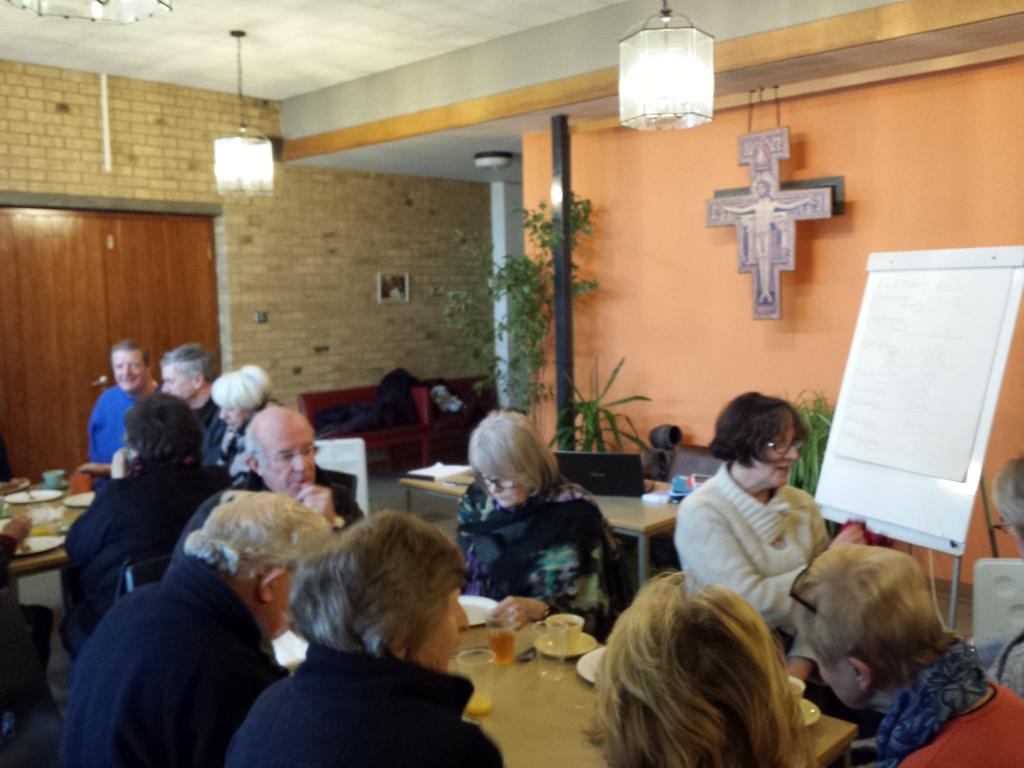
It took me a long time to come to terms with her passing. It was funny that during my teens I had a terrible relationship with my mum, but by the time she passed away, I thought the world of her. Every evening we'd talk for hours. I'd pour her a Whiskey to take to bed and make sure she was OK. Despite her problems with speech, after a guiness, she'd become extraordinarily eloquent and told me all manner of stories from her youth. Although I hated the fact she had the awful experience of the stroke, it brought us very close together. Perhaps the moment that I had most respect for her, was during our first trip to Lourdes in 2004, following her stroke. She'd been depressed and been awful to be around. One evening we were having a few beers on the terrace and she commented about the other handicapped in the group. She said that they'd made her realise how lucky she was. She wasn't in a wheelchair and she had lived her life before she was afflicted, yet her friends in the group were making the best of it. She told me that it made her realise she was lucky and she was determined to not forget this ever again. In her final years we often discussed that realisation. She urged me to enjoy my life, not waste it and make sure I did all the things I wanted to do, before something happens that means it is impossible. That was the greatest gift she gave me. The realisation that we are the masters of our own destiny.
Wherever you are mum, Happy Birthday. Have a Guinness for me.
Music, football, Dyslexia, Cancer and all things London Borough of Barnet. Please note we have a two comments per person per blog rule.
Thursday, 19 February 2015
Wednesday, 18 February 2015
Barnet - Terrific or Broken?
Over the last couple of days, we've been having a little bit of fun with Barnet Tory Councillor Gabriel Rozenberg. Gabriel got into a spat on Twitter with myself and fellow blogger Mrs Angry as to whether Barnet is terrific or Broken. Mrs A believes it is broken and this is all the fault of Mr Rozenberg and his Tory colleagues. She sites as evidence such terrible things as the treatment of residents of West Hendon Estate and Sweets Way. In both cases long term residents are being shafted to allow luxury dwellings to be built. Sadly the less well off in Barnet are being left out. In West Hendon, Barnet Council collaborate with Barratts Homes to issue compulsory purchase orders at rates which won't buy a similar property. Non secured council tenants are simply shipped out. Why? So luxury dwelling can be provided for wealthy people with no links with Barnet.
Mr Rozenberg feels Barnet is terrific. If you look at it from the aspect of a wealthy person, he has a point. But even from Gabriel's perspective, it is getting worse under his regime. As the new flats go up and the new residents move in, we are not building the infrastructure to support these homes. No new railways or tube lines are planned to ease congestion. In fact over the last 50 years, we've lost railway lines in the borough. The rail link from Mill Hill East to Edgware was torn up in the mid 60's. This line would have provided a station for Saracens, as well as plenty of local schools. It would have made interchange with Thameslink easy at Mill Hill and allowed people in Edgware to get to the East of the borough in minutes.
Then there is the closure of Church Farmhouse museum. Unless the new rich residents have no interest in their community and its history, how can this closure be terrific? Personally I dont think a lack of school places for our children is terrific. Our High Streets have become like rubbish dumps, covered in rubbish and litter. Fly tippers are ruining many beauty spots. A direct consequence of the council stopping regular skips for residents to dump large objects.
There is also the issue of our hospitals, fire service and ambulances. Even the rich and famous need these sometimes. Sadly all are being cut and services are getting worse. Another area being cut is the Police. This is a risk to us all.is it terrific?
Then there are small businesses and our High Streets. Both are neglected by council policies. One Barnet has frozen out small companies and parking policies have decimated High Street shops. are these terrific? Of course there are lots of terrific things in Barnet, but how many of these are down to the Tory regime in the town hall?
I see little evidence that they have improved anything, except the bank balances of property developers. Is that terrific? Up to you to decide. Gabriel says he needs to be briefed before he can comment on these issues. Let's hope he's demanding a briefing ASAP, because I for one, want to hear what he has to say.
Mr Rozenberg feels Barnet is terrific. If you look at it from the aspect of a wealthy person, he has a point. But even from Gabriel's perspective, it is getting worse under his regime. As the new flats go up and the new residents move in, we are not building the infrastructure to support these homes. No new railways or tube lines are planned to ease congestion. In fact over the last 50 years, we've lost railway lines in the borough. The rail link from Mill Hill East to Edgware was torn up in the mid 60's. This line would have provided a station for Saracens, as well as plenty of local schools. It would have made interchange with Thameslink easy at Mill Hill and allowed people in Edgware to get to the East of the borough in minutes.
Then there is the closure of Church Farmhouse museum. Unless the new rich residents have no interest in their community and its history, how can this closure be terrific? Personally I dont think a lack of school places for our children is terrific. Our High Streets have become like rubbish dumps, covered in rubbish and litter. Fly tippers are ruining many beauty spots. A direct consequence of the council stopping regular skips for residents to dump large objects.
There is also the issue of our hospitals, fire service and ambulances. Even the rich and famous need these sometimes. Sadly all are being cut and services are getting worse. Another area being cut is the Police. This is a risk to us all.is it terrific?
Then there are small businesses and our High Streets. Both are neglected by council policies. One Barnet has frozen out small companies and parking policies have decimated High Street shops. are these terrific? Of course there are lots of terrific things in Barnet, but how many of these are down to the Tory regime in the town hall?
I see little evidence that they have improved anything, except the bank balances of property developers. Is that terrific? Up to you to decide. Gabriel says he needs to be briefed before he can comment on these issues. Let's hope he's demanding a briefing ASAP, because I for one, want to hear what he has to say.
Tuesday, 17 February 2015
Barnets Zombie Councillor - "I only say what I've been told to say"
Yesterday we highlighted how a local Tory Councillor had posted a few tweets which implied that he was not exactly overly familiar with the issues facing the poor and the dispossessed in the London Borough of Barnet. We wondered what his response would be. Would he give us examples of all the great work he's been doing, to show that it is us who is out of touch? Would he highlight the previously unseen compassionate side of the local Tory regime and blast our case out of the water?
We did wonder, we didn't have to wait long to find out. Here's our answer.
@BrokenBarnet @Barneteye I read your blog, I observe the tweets, but I’m not on Housing and have not been briefed.
@BrokenBarnet @Barneteye I’m keen to engage, but if you want an answer from me on everything LBB does then you’ll end up w/ me (1/2)
@BrokenBarnet @Barneteye (2/2) trotting out stale lines to take rather than having a reasonable dialogue. Up to you.
We did wonder, we didn't have to wait long to find out. Here's our answer.
Of all the possible responses I was anticipating, this was not on the list. Gabriel Continued with the theme.
So this is how our Barnet Tory Councillors think "We can't engage unless we've been briefed". I am quite amazed. I actually thought Gabriel was a reasonably intelligent guy, who was capable of doing a bit of research on his own and coming up with his own viewpoint.
I think he's answered the first tweet he made in response to my blog.
That last RT… @Barneteye thinks I’m clueless abt the real world. I hope not, but that’s for others to judge. Read his blog and decide.
But then as Gabriel says, read the blog and decide.
++++++++++++ UPDATED 18:39 - 17.2.2015
Gabriel contacted me to point out I'd missed the first of his tweets, which he felt put a proper context. Here is the first in the series of tweets
++++++++++++ UPDATED 18:39 - 17.2.2015
Gabriel contacted me to point out I'd missed the first of his tweets, which he felt put a proper context. Here is the first in the series of tweets
@BrokenBarnet @Barneteye It could also be that I don’t like wading in when I don’t have all the facts on a specific, complex situation.
Does this change the jist of what is being said? as ever, you the reader is the judge of that. I can understand, given his position a councillor may display some caution, but as the situation has been evolving over a period of days, if not weeks, I would expect all Barnet Councillors to have informed themselves and formed a view on such an important and emotive issue. I would also expect a member of the party in charge to make it their business to know. But of course that is my personal view.
Click on Labels for related posts:
Barnet Council,
Councillor Gabriel Rozenberg
Monday, 16 February 2015
Barnet - where social housing is simply a fantastic investment opportunity whilst people are homeless
The Barnet Eye always welcomes emails which concern our community and what is happening. We receive lots of these. Some are guest blogs, some are notices of events. There is a simple rule. If you send us an email, if we have something to say about it, we will. In this case I received an email from Cogress, who are a community of investors, about some stunning returns on investments in social housing in the London Borough of Barnet. It seems that you can get a 25% return on your money if you are prepared to invest in social Housing schemes.
Now as an investor myself, I have no issue with anyone wishing to use their money to make more money. Organisations like Cogress give people what clearly appears to be an excellent chance to make a pot of dosh.
What does concern me is that if the returns are really as high as is being stated at 25%, this justr shows how out of hand and overheated the private housing development market in Barnet is becoming. I've no ideological objection to the private sector taking up the slack in the social housing market, but it is clear that if you can obtain a 25% return, then something is not quite right with the way Barnet Council is managing its housing stock. Of course this is fantastic news for investors and landords (some of which are members of the Barnet Conservative administration). Again don't get me wrong, there is nothing wrong with being a landlord, it is a legitimate way to invest money.
The point is that the costs of social housing generally come back to the taxpayer. If there is a shortage of social housing stock, the costs rise and they turn into "excellent investment opportunities". This translates into 25% returns for investors. This is good for those at the top of the food chain, but what does it do for those in the middle and at the bottom?
Lets look at how it affects the middle class. Between the 1960's and the early part of this century, most middle class couples would get jobs, settle down, then plan to start a family and buy a home. The price of property in Barnet means that this is a pipedream, unless the bank of mum and dad can step in. What this means is generally children leave the area and mutual support networks break down. This means that grandparents are less able to help with childcare, whilst they are able to and children are unable to assist elderly relatives, when they start to develop care needs. The costs of the care then falls on the taxpayer and sadly many elderly people get very shoddy care, especially in a climate of welfare and adult social care cuts.
Then there is the effect on those at the bottom of the social tree. Rocketing housing costs force people in dependency on benefits. This means that there is a catch 22 situation where people don't take work because they end up worse off. For many in Barnet, a 35 hour week on minimum wage wouldn't even cover the cost of renting a basic flat.
The council didn't used to have this problem, large council estates such as Burnt Oak, Colindale and Mill Hill East to name a few were built to address these problems, Whilst these may not have been perfect, working class families at least had decent and affordable housing. Sadly under Margaret Thatcher, the Tories turned away from social housing. Building stopped and the stock was run down. This leaves us in the current situation where young families have virtually no chance of getting housed, until they are in dire straights.
The answer is simple. Barnet Council needs to start building social housing on a large scael in Barnet. The 25% profits talked about in the press release are largely paid for by the tax payer. Profits on this scale mean that Barnet Council could recoup their investment in less than four years. It is insanity for the Council to not be acting to lower the costs. It is even worse that they expect taxpayers to fuel this feeding frenzy of private profit at the public expense.
The council should be able to borrow money at rock bottom rates to fund council house building. This would mean that if the returns are 25%, they would be turning a profit from day one. This would allow them to spend more money on social care and for all of us, we'd get a better deal on our taxes.
I can see no sensible explanation why the council should pay private investors a 25% premium for something they could do for themselves.
Now as an investor myself, I have no issue with anyone wishing to use their money to make more money. Organisations like Cogress give people what clearly appears to be an excellent chance to make a pot of dosh.
What does concern me is that if the returns are really as high as is being stated at 25%, this justr shows how out of hand and overheated the private housing development market in Barnet is becoming. I've no ideological objection to the private sector taking up the slack in the social housing market, but it is clear that if you can obtain a 25% return, then something is not quite right with the way Barnet Council is managing its housing stock. Of course this is fantastic news for investors and landords (some of which are members of the Barnet Conservative administration). Again don't get me wrong, there is nothing wrong with being a landlord, it is a legitimate way to invest money.
The point is that the costs of social housing generally come back to the taxpayer. If there is a shortage of social housing stock, the costs rise and they turn into "excellent investment opportunities". This translates into 25% returns for investors. This is good for those at the top of the food chain, but what does it do for those in the middle and at the bottom?
Lets look at how it affects the middle class. Between the 1960's and the early part of this century, most middle class couples would get jobs, settle down, then plan to start a family and buy a home. The price of property in Barnet means that this is a pipedream, unless the bank of mum and dad can step in. What this means is generally children leave the area and mutual support networks break down. This means that grandparents are less able to help with childcare, whilst they are able to and children are unable to assist elderly relatives, when they start to develop care needs. The costs of the care then falls on the taxpayer and sadly many elderly people get very shoddy care, especially in a climate of welfare and adult social care cuts.
Then there is the effect on those at the bottom of the social tree. Rocketing housing costs force people in dependency on benefits. This means that there is a catch 22 situation where people don't take work because they end up worse off. For many in Barnet, a 35 hour week on minimum wage wouldn't even cover the cost of renting a basic flat.
The council didn't used to have this problem, large council estates such as Burnt Oak, Colindale and Mill Hill East to name a few were built to address these problems, Whilst these may not have been perfect, working class families at least had decent and affordable housing. Sadly under Margaret Thatcher, the Tories turned away from social housing. Building stopped and the stock was run down. This leaves us in the current situation where young families have virtually no chance of getting housed, until they are in dire straights.
The answer is simple. Barnet Council needs to start building social housing on a large scael in Barnet. The 25% profits talked about in the press release are largely paid for by the tax payer. Profits on this scale mean that Barnet Council could recoup their investment in less than four years. It is insanity for the Council to not be acting to lower the costs. It is even worse that they expect taxpayers to fuel this feeding frenzy of private profit at the public expense.
The council should be able to borrow money at rock bottom rates to fund council house building. This would mean that if the returns are 25%, they would be turning a profit from day one. This would allow them to spend more money on social care and for all of us, we'd get a better deal on our taxes.
I can see no sensible explanation why the council should pay private investors a 25% premium for something they could do for themselves.
Click on Labels for related posts:
Barnet Council,
Cogress,
social housing
Out of touch Tory Special - A Tale of Two Barnets in two illuminating tweets
Three years ago, I dedicated nearly a year of my life to producing a film called "A Tale of Two Barnets". The premise of the film is that there are two Barnets. A rich, affluent Barnet where the residents are rich, live fullfilling lives and are having a wonderful time. This Barnet is extremely well served by the local Conservative Council, who cut their taxes, let them open free schools on public land owned by the council, and have virtually stopped enforcing planning rules, so the rich and wealthy can more or less build what they like, where they like. Then there is the other side of Barnet, the poor underclass. Those who rely on council services, which are being mercilessly cut. Those who are disabled bearing the burden of cuts. Small traders who struggle to make ends meet. The film starts with the Leader of Barnet council talking about what a great place Barnet is, the local chief of police detailing the demographics and the former CEO of Barnet Council, hinting that there is more to Barnet than a leafy Borough.
When we premiered the film at the Phoenix Cinema, 600 locals showed up at the Phoenix cinema and we had to hold two screenings to accomodate everyone. The film was featured on both the BBC and ITV local news and its fair to say it caused a bit of a stir. I'd filed the film away in the "been there, done that and moved on" file. Events last night forced me to reopen the file. So this morning I dug out the clip and watched it again. Here it is if you haven't seen it.
What caused me to revisit the film? Well Gabriel Rosenberg, a local Tory Councillor posted the following two tweets yesterday.
@Rozgab
@BrokenBarnet @Barneteye Once again: if it’s such a hellhole of a borough, why is it so popular? You keep changing the subject.
The good councillor was trying to wind up Mrs Angry (who tweets as BrokenBarnet), who is a local blogger. His premis seems to be that if Barnet is broken as Mrs Angry states, why are so many people moving here?
Well the answer is quite simple Gabriel. If you judge a Borough purely on its ability to drive out poorer people and replace them with rich people in new luxury dwellings, Barnet is hugely successful. If your measure of terrificness is how many swanky restaurants there are, rather than how well public services for the poor and disabled are run, then yes Barnet is terrific.
I would suggest Mr Rozenburg wathc the film. This features all manner of local people, many of whom were supporters of the local Conservatives, local Business people, people who run charities (and have MBE's). Are they saying Barnet is terrific?
As I write this, marginalised people in Sweets Way are being forcefully evicted from their homes, to make way for another luxury development. I made "A Tale of Two Barnets" with director Charles Honderick in 2012 to commemorate the anniversary of Charles Dickens. The workhouse from Oliver Twist was based on the one in Barnet. The title is a play on Dickens novel "A Tale of Two Cities", which studies a similar subject.
Mr Rozenberg is the son of rich, successful parents. he has had a priveliged education and has never had to worry about where he will sleep, how he will pay for his next meal. If Mr Rozenburg really wants to be a successful councillor, he has to represent everyone, not just his well off mates. That means getting out and about and ensuring he understands the problems of everyone in the Borough, not just those who want to open a free school around the corner, because Hartley and Gemima may have to be educated with the plebs otherwise.
What struck me about the film, when I wathed it, was that all of the issues that largely affect the middle class, have had a degree of remidiation. David Attfield won his court case against illegal CPZ charges (hardly terrific). Helen Michael got parking machines reintroduced in the High Street. Sadly the disabled and the disenfranchised have not had anything done for them.
Maybe it is time for another film? It seems that the message didn't get through last time.
When we premiered the film at the Phoenix Cinema, 600 locals showed up at the Phoenix cinema and we had to hold two screenings to accomodate everyone. The film was featured on both the BBC and ITV local news and its fair to say it caused a bit of a stir. I'd filed the film away in the "been there, done that and moved on" file. Events last night forced me to reopen the file. So this morning I dug out the clip and watched it again. Here it is if you haven't seen it.
What caused me to revisit the film? Well Gabriel Rosenberg, a local Tory Councillor posted the following two tweets yesterday.
.@BrokenBarnet err totes serious. You think Barnet’s ‘broken’. I think Barnet’s terrific. If it’s so awful why is it set to be #1 in London?
@Rozgab
The good councillor was trying to wind up Mrs Angry (who tweets as BrokenBarnet), who is a local blogger. His premis seems to be that if Barnet is broken as Mrs Angry states, why are so many people moving here?
Well the answer is quite simple Gabriel. If you judge a Borough purely on its ability to drive out poorer people and replace them with rich people in new luxury dwellings, Barnet is hugely successful. If your measure of terrificness is how many swanky restaurants there are, rather than how well public services for the poor and disabled are run, then yes Barnet is terrific.
I would suggest Mr Rozenburg wathc the film. This features all manner of local people, many of whom were supporters of the local Conservatives, local Business people, people who run charities (and have MBE's). Are they saying Barnet is terrific?
As I write this, marginalised people in Sweets Way are being forcefully evicted from their homes, to make way for another luxury development. I made "A Tale of Two Barnets" with director Charles Honderick in 2012 to commemorate the anniversary of Charles Dickens. The workhouse from Oliver Twist was based on the one in Barnet. The title is a play on Dickens novel "A Tale of Two Cities", which studies a similar subject.
Mr Rozenberg is the son of rich, successful parents. he has had a priveliged education and has never had to worry about where he will sleep, how he will pay for his next meal. If Mr Rozenburg really wants to be a successful councillor, he has to represent everyone, not just his well off mates. That means getting out and about and ensuring he understands the problems of everyone in the Borough, not just those who want to open a free school around the corner, because Hartley and Gemima may have to be educated with the plebs otherwise.
What struck me about the film, when I wathed it, was that all of the issues that largely affect the middle class, have had a degree of remidiation. David Attfield won his court case against illegal CPZ charges (hardly terrific). Helen Michael got parking machines reintroduced in the High Street. Sadly the disabled and the disenfranchised have not had anything done for them.
Maybe it is time for another film? It seems that the message didn't get through last time.
Click on Labels for related posts:
A Tale of Two Barnets,
Barnet Council,
Councillor Gabriel Rozenberg
Sunday, 15 February 2015
Why Gordon Brown is a hero and bankers are the UK's biggest asset
No need to check the calendar. It's not April 1st. I'm not being ironic either. As we approach the general election in May, I just felt it was time that someone injected a little bit of sanity into the current debate about the deficit, the economy and the banking industry.
Lets start with Gordon Brown. His name has become a byword for incompetence. The Conservative party would have us all believe that Brown was a hapless incompetent who rammed the economy into an iceberg, mismanaging the UK's finances and losing control of public spending. The inconvenient truth for the Conservatives is that rather than wrecking the economy, Brown actually saved it. The financial meltdown of 2008 was caused by two things. The first was lax regulation of the banking industry. This was as much a product of the Tory years of deregulation under Thatcher and Major as it was Blair and Brown. The prevailing pre crisis view was that deregulation was a good thing. If anything, had the Conservatives been in charge 1997-2008, the regulation regime would have been even more permissive, it certainly wouldn't have been stricter. When the crisis hot, Gordon Brown correctly realised that the UK economy is reliant on banking. We are arguably the centre of the global finance and maintaining this is vital to our national wealth. In the US, the hard right orthodoxy of the Bush regime allowed many financial institutions to go to the wall. In the UK, Brown baled them out. The net result is that the UK still has financial services industry with global credibility. The baled out banks have recovered and are once again contribiting to the UK economy. It should be remembered that the then Conservative opposition questioned the use of tapayers money to bale out Norther Rock, RBS and Lloyds TSB. Had these companies gone under, who knows what shocks and meltdown may have happened. It should also be remembered that Brown played key role in negotiations to ensure that the worlds banking system didn't collapse. Its should also be remembered that the problems in the banking industry largely started in the USA, not the UK. There is a saying that when the USA sneezes Great Britain catches cold. This certainly was true of the 2008 banking crisis. As a result of huge bale out process, the UK's public finances were plunged into crisis. We are still paying. What isn't discussed so much is what the UK economy would look like without the Brown lead bale out.
This brings us to the banks and bankers. Both seem to get a never ending bad press and I can't remember the last positive major news story about the banks. The question is how fair are these comments. Of course when banks do bad things, it warrants a story. No one could claim that much of the torrent of bile is unwarranted, but wouldn't it be more sensible to try and get some degree of balance. Banks make a huge contribution to the UK economy. Over 1 million people work in the banking sector in the UK and the organisations they work for bring huge wealth to the UK. Banking products are a part of modern life. Few of us would own homes if the bank didn't provide mortgages. When we buy things in shops, we use credit and debit cards (often using money the card companies are lending us in the form of a credit limit). If we want to buy on line products, we simply do an on line transfer. If we get woken up at 2am and we need an emergency plumber, we cn get cash oiut of an ATM. Modern life would be unimaginable withourt banks and the services they provide. We would also all be far poorer. In London, we have a fantastic city. We have great public transport, but leasing companies own most of the trains. When schools, hospitals and roads are built, these are financed by banks, the money is paid back once the facilities are in operation. In London most businesses, pubs and restaurants are kept running by bank employees.
This brings us to the subject of the bankers themselves. Often they are portrayed as fat cats. Most people who work for banks, don't get paid any more than the rest of us. The call centre staff and branch staff, who for most of us are the main contact, are not highly paid, although they bear the brunt of the public wrath. When we talk about "fat cat bankers" we generally think either of senior investment bankers or board members. I would hazard a guess that senior bank executives are no better paid than senior executives elsewhere in the private sector. as to the traders who get huge bonuses, these are usually driven by commission and profits of the organisation. If you work for a profitable institution, why shouldn't the people who generate the cash get the money? We hear the same comments sometimes about footballers and pop stars. At the end of the day, if you work in an industry that generates lots of money and you have a desirable skill set, you will earn a lot of money.
Then there is the issue of HSBC and the policy of its subsidiary that helped the rich avoid tax. I cannot believe the hypocritical guff talked about this. Every time any of us pay a trader cash to secure a cheaper deal, we are party to tax evadion. Everyone who has ever bought a cheap packet of cigarettes from a dodgy importer, has been a party to tax evasion. If you buy dodgy DVD's you are party to tax evasion. I don't know anyone who would willingly pay more cash to the taxman than they are legally required. Many don't actually see a bit of small scale tax evasion as a crime. As to the activities of HSBC, this was as much to do with the activites of the rich as to their bank. Of course HSBC should be hammered, but ultimately we are indivudally responsible for paying our taxes.
Ultimately banks and bankers make a hueg contribution to the UK. Banking and finance are perhaps the most important sector of the UK economy. Gordon Browns intervention in 2008 maintained this position. If banks suddenly ceased to exist, it would not only wreck the UK economy, but it would make our own lives hugely difficult. The sole purpose of banks is to make money. They will do this however they can. It is the duty of the regulatory authorities and the government to make sure they do this responsibly, ethically and in a way that is beneficial to the economy. It is extremely stupid to continually hammer the countries biggest asset. I do think the banking industry needs to take a long hard look at what it does, up its game and take corporate responsibility seriously. I also think they should start to remind us all that they are very good for the UK. And finally I'd like to see a few members of the Labour party actually talk about their achievements.
Lets start with Gordon Brown. His name has become a byword for incompetence. The Conservative party would have us all believe that Brown was a hapless incompetent who rammed the economy into an iceberg, mismanaging the UK's finances and losing control of public spending. The inconvenient truth for the Conservatives is that rather than wrecking the economy, Brown actually saved it. The financial meltdown of 2008 was caused by two things. The first was lax regulation of the banking industry. This was as much a product of the Tory years of deregulation under Thatcher and Major as it was Blair and Brown. The prevailing pre crisis view was that deregulation was a good thing. If anything, had the Conservatives been in charge 1997-2008, the regulation regime would have been even more permissive, it certainly wouldn't have been stricter. When the crisis hot, Gordon Brown correctly realised that the UK economy is reliant on banking. We are arguably the centre of the global finance and maintaining this is vital to our national wealth. In the US, the hard right orthodoxy of the Bush regime allowed many financial institutions to go to the wall. In the UK, Brown baled them out. The net result is that the UK still has financial services industry with global credibility. The baled out banks have recovered and are once again contribiting to the UK economy. It should be remembered that the then Conservative opposition questioned the use of tapayers money to bale out Norther Rock, RBS and Lloyds TSB. Had these companies gone under, who knows what shocks and meltdown may have happened. It should also be remembered that Brown played key role in negotiations to ensure that the worlds banking system didn't collapse. Its should also be remembered that the problems in the banking industry largely started in the USA, not the UK. There is a saying that when the USA sneezes Great Britain catches cold. This certainly was true of the 2008 banking crisis. As a result of huge bale out process, the UK's public finances were plunged into crisis. We are still paying. What isn't discussed so much is what the UK economy would look like without the Brown lead bale out.
This brings us to the banks and bankers. Both seem to get a never ending bad press and I can't remember the last positive major news story about the banks. The question is how fair are these comments. Of course when banks do bad things, it warrants a story. No one could claim that much of the torrent of bile is unwarranted, but wouldn't it be more sensible to try and get some degree of balance. Banks make a huge contribution to the UK economy. Over 1 million people work in the banking sector in the UK and the organisations they work for bring huge wealth to the UK. Banking products are a part of modern life. Few of us would own homes if the bank didn't provide mortgages. When we buy things in shops, we use credit and debit cards (often using money the card companies are lending us in the form of a credit limit). If we want to buy on line products, we simply do an on line transfer. If we get woken up at 2am and we need an emergency plumber, we cn get cash oiut of an ATM. Modern life would be unimaginable withourt banks and the services they provide. We would also all be far poorer. In London, we have a fantastic city. We have great public transport, but leasing companies own most of the trains. When schools, hospitals and roads are built, these are financed by banks, the money is paid back once the facilities are in operation. In London most businesses, pubs and restaurants are kept running by bank employees.
This brings us to the subject of the bankers themselves. Often they are portrayed as fat cats. Most people who work for banks, don't get paid any more than the rest of us. The call centre staff and branch staff, who for most of us are the main contact, are not highly paid, although they bear the brunt of the public wrath. When we talk about "fat cat bankers" we generally think either of senior investment bankers or board members. I would hazard a guess that senior bank executives are no better paid than senior executives elsewhere in the private sector. as to the traders who get huge bonuses, these are usually driven by commission and profits of the organisation. If you work for a profitable institution, why shouldn't the people who generate the cash get the money? We hear the same comments sometimes about footballers and pop stars. At the end of the day, if you work in an industry that generates lots of money and you have a desirable skill set, you will earn a lot of money.
Then there is the issue of HSBC and the policy of its subsidiary that helped the rich avoid tax. I cannot believe the hypocritical guff talked about this. Every time any of us pay a trader cash to secure a cheaper deal, we are party to tax evadion. Everyone who has ever bought a cheap packet of cigarettes from a dodgy importer, has been a party to tax evasion. If you buy dodgy DVD's you are party to tax evasion. I don't know anyone who would willingly pay more cash to the taxman than they are legally required. Many don't actually see a bit of small scale tax evasion as a crime. As to the activities of HSBC, this was as much to do with the activites of the rich as to their bank. Of course HSBC should be hammered, but ultimately we are indivudally responsible for paying our taxes.
Ultimately banks and bankers make a hueg contribution to the UK. Banking and finance are perhaps the most important sector of the UK economy. Gordon Browns intervention in 2008 maintained this position. If banks suddenly ceased to exist, it would not only wreck the UK economy, but it would make our own lives hugely difficult. The sole purpose of banks is to make money. They will do this however they can. It is the duty of the regulatory authorities and the government to make sure they do this responsibly, ethically and in a way that is beneficial to the economy. It is extremely stupid to continually hammer the countries biggest asset. I do think the banking industry needs to take a long hard look at what it does, up its game and take corporate responsibility seriously. I also think they should start to remind us all that they are very good for the UK. And finally I'd like to see a few members of the Labour party actually talk about their achievements.
Click on Labels for related posts:
#Cancer,
Banking,
Gordon Brown
Saturday, 14 February 2015
The Tweets of the week in the London Borough of Barnet - 14/2/2014
Ir's that time of week again. Our most popular regular feature. The Tweets of the Week in our neck of the woods! So without further ado, here we go.
1. Ever wondered what the Lib Dems could do for Hendon? Well just in case it's been troubling you, Alisdair Hill, their new candidate spells it out
@BrokenBarnet Have just read very disturbing news about loads evictions Sweets Way, children being separated from parents. More this am.
@hou_goog Nearest stations to Colindale are Mill Hill Broadway or Cricklewood.
1. Ever wondered what the Lib Dems could do for Hendon? Well just in case it's been troubling you, Alisdair Hill, their new candidate spells it out
What our Five Priorities mean for Hendon http://bit.ly/1AsGD64 @libdems #hill4hendon #hendon #barnet
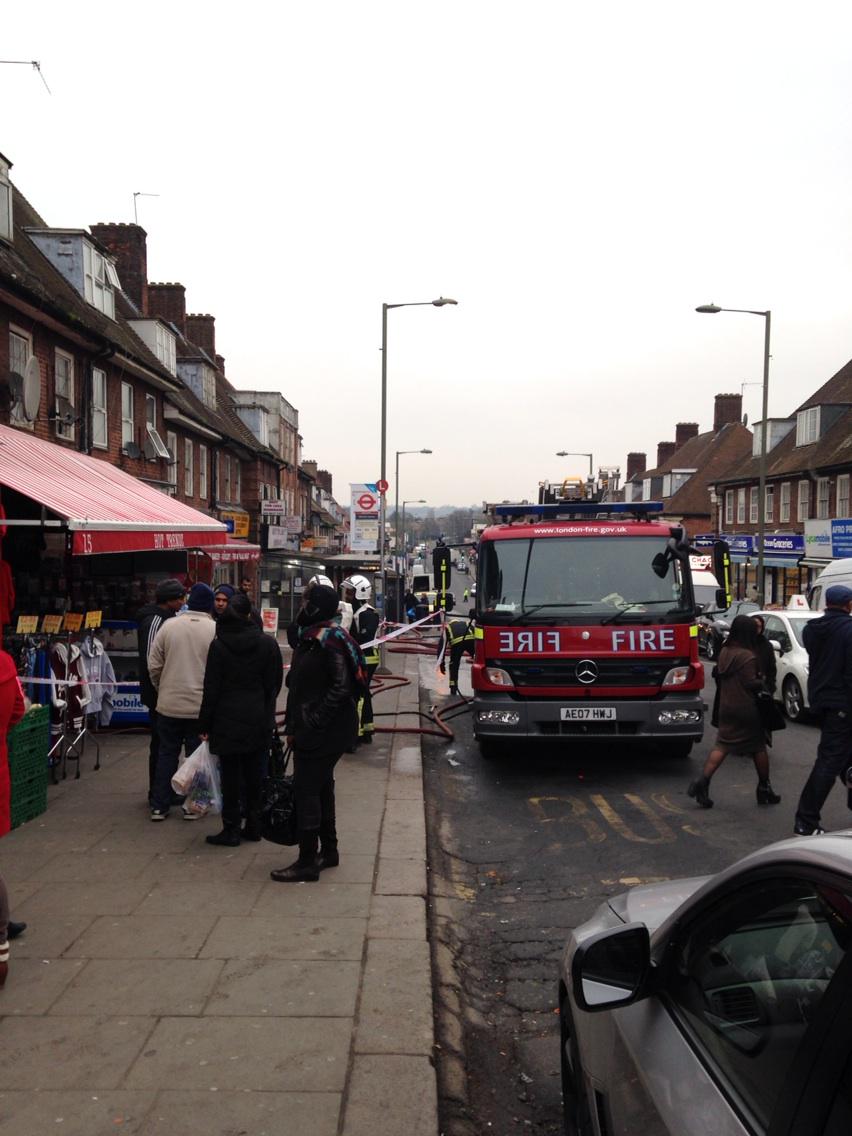
2. James Craven at the Hendon Times has a fascinating story. Small fire in Burnt Oak, no one hurt. It's all happening this week isn't it
Watling Avenue, Burnt Oak, where firefighters are dealing with an electrical fire in a shop. No injuries
3. Things are hotting up for the Finchley Literary festival
Some fantastic events for #FLF2015 incl @ameryt Poetry & Palooza Music 23rd May at Cafe Buzz N12 @BuzzingHelen
4. Mr Reasonable is none too impressed with the level of questions asked by our local councillors
Three hours of committee and not one Cllr has asked a single question about Capita's £110 million of invoices.
5. Rosie Canning is none too impressed with the sight of families being thrown out on the street in Sweets Way Totteridge.
6. Rector of Barnet, Chris Ferris is enjoying the DCC awayday at the Poor Clares convent in Arkley
DCC Away day at the Poor Clares Community, Arkley. Discussing mission and sharing Good News.
7. The Barnet Press report how road hump removal has turned the Borough into a traffic accident hotspot
Neighbours renew call for speed bumps after cars damaged in Totteridge smash... http://www.times-series.co.uk/news/11792460.Neighbours_renew_call_for_speed_bumps_after_cars_damaged_in_smash/?ref=twtrec …
8. Fancy a night out tonight in Edgware?
TONIGHT! MCR's horn section keeping the faith with @MemphStone at 3 Wishes Edgware! Live #NorthernSoul https://www.facebook.com/events/1541900559392865/ …
9. Bizzarely TFL doesn't seem to know it's own network, claiming that Mill Hill and Cricklewood are the nearest BR stations to Colindale? Haven't they heard of Hendon?
10. A message to all budding artists from Mill Hill Music Complex
"Mate, you should have recorded your album at Mill Hill Music Complex"
http://www.millhillmusiccomplex.co.uk/product/studio-1-recording/ …
Click on Labels for related posts:
Tweets of the week
Friday, 13 February 2015
50 Shades of Grey - Crossing the line or upsetting the new puritans?
The big event in London last night was the premier of 50 Shades of Grey. I didn't attend the film, not really one on my radar, but I was intrigued to hear that there were protests against the film. It seems that some groups believe that the film promotes domestic violence and sexual abuse. They feel the film objectifies and degrades women and leads to people being forced to do things they are none too keen on.
As I haven't read the book, I can't really comment, but I've discussed it with my wife and other female friends, none of whom I'd consider downtrodden or victims of domestic abuse, and those who read it are of the view that the female character in the book enters into a consensual relationship and has the ultimate say over what goes and what doesn't. I was having a cup of tea last week with a female friend, who told me that she was organising a girlie night out to see it. I don't think any of the people I've spoken to who read the book think it's a literary masterpiece, but do see it as quite entertaining.
Having said that, there is a serious question to consider. When does S&M stop being a bit of fun and start becoming sexual violence. If women feel that they must submit to what they consider unreasonable demands, then the film is not helpful. There is of course a flip side to this. Many people still consider the UK to be a reasonably sexually repressed society. As a society, we are not particularly open and honest about sex. The very language we use about sex shows this prudishness. If two people start having a sexual relationship, we say they are "sleeping together", which is probably the last thing they are doing.
When EL James wrote the novel, one assumes she wrote the book to entertain people. It seems that she targetted it at fellow females and she quite correctly (her bank account validates this) worked out that a plot that was perhaps a bit saucy and a bit naughty would help her sell millions of books. Some of the effects of this were probably not anticipated, such as the increased number of calls to the fire brigade to rescue people stuck as a result of mishaps with sex toys. The fire brigade has even taken to tweeting to raise awareness of the risks of sex toys
London Fire Brigade ✔ @LondonFire Follow
Which brings us to the question. Does 50 Shades of Grey cross the line between entertainment and promoting sexual violence or are the protestors the next generation of Mary Whitehouse style prudes, seeking to ensure we all live prim and proper lives and don't enjoy ourselves too much.
Well as far as I'm concerned, in the bedroom, if you have two consenting adults and they are enjoying themselves, that is fine. In 50 Shades of Grey, as soon as someone says stop, they stop. As far as I am concerned, that is the key factor. In fact, I think that is a powerful and positive message. If the protestors are worried about objectification of women, then we'd have no James Bond films, let alone cheesy chick flicks like 50 Shades. Perhaps for me the saddest thing is that they've missed the point that the author is a successful female writer and the director is also a successful female - Sam Taylor-Johnson. There is a real shortage of successful female film directors, which is perhaps the real story for campaigners for womens rights.
Personally I'm not convinced by the arguments of the "new puritans". If like me, youa re not that interested in 50 Shades of Grey, don't go and see it. I wouldn't be surprised if a few of the people campaigning watch it a few times just to make sure how disgusted they are. I doubt anyone will be turning up to watch it under the misapprehension that it's a film about decorators painting the Forth Bridge.
As I haven't read the book, I can't really comment, but I've discussed it with my wife and other female friends, none of whom I'd consider downtrodden or victims of domestic abuse, and those who read it are of the view that the female character in the book enters into a consensual relationship and has the ultimate say over what goes and what doesn't. I was having a cup of tea last week with a female friend, who told me that she was organising a girlie night out to see it. I don't think any of the people I've spoken to who read the book think it's a literary masterpiece, but do see it as quite entertaining.
Having said that, there is a serious question to consider. When does S&M stop being a bit of fun and start becoming sexual violence. If women feel that they must submit to what they consider unreasonable demands, then the film is not helpful. There is of course a flip side to this. Many people still consider the UK to be a reasonably sexually repressed society. As a society, we are not particularly open and honest about sex. The very language we use about sex shows this prudishness. If two people start having a sexual relationship, we say they are "sleeping together", which is probably the last thing they are doing.
When EL James wrote the novel, one assumes she wrote the book to entertain people. It seems that she targetted it at fellow females and she quite correctly (her bank account validates this) worked out that a plot that was perhaps a bit saucy and a bit naughty would help her sell millions of books. Some of the effects of this were probably not anticipated, such as the increased number of calls to the fire brigade to rescue people stuck as a result of mishaps with sex toys. The fire brigade has even taken to tweeting to raise awareness of the risks of sex toys
London Fire Brigade ✔ @LondonFire Follow
A woman rang after her husband was locked in a titanium chastity belt. Keep those keys handy! #fiftyshadesofred http://www.london-fire.gov.uk/news/LatestNewsReleases_AA70ED7F665640C5857103C448B776A0.asp …
A man was stuck with 2 penis rings on for 3 days. If the ring doesn’t fit, don’t force it on #FiftyShadesofRed http://www.london-fire.gov.uk/news/LatestNewsReleases_AA70ED7F665640C5857103C448B776A0.asp …
Which brings us to the question. Does 50 Shades of Grey cross the line between entertainment and promoting sexual violence or are the protestors the next generation of Mary Whitehouse style prudes, seeking to ensure we all live prim and proper lives and don't enjoy ourselves too much.
Well as far as I'm concerned, in the bedroom, if you have two consenting adults and they are enjoying themselves, that is fine. In 50 Shades of Grey, as soon as someone says stop, they stop. As far as I am concerned, that is the key factor. In fact, I think that is a powerful and positive message. If the protestors are worried about objectification of women, then we'd have no James Bond films, let alone cheesy chick flicks like 50 Shades. Perhaps for me the saddest thing is that they've missed the point that the author is a successful female writer and the director is also a successful female - Sam Taylor-Johnson. There is a real shortage of successful female film directors, which is perhaps the real story for campaigners for womens rights.
Personally I'm not convinced by the arguments of the "new puritans". If like me, youa re not that interested in 50 Shades of Grey, don't go and see it. I wouldn't be surprised if a few of the people campaigning watch it a few times just to make sure how disgusted they are. I doubt anyone will be turning up to watch it under the misapprehension that it's a film about decorators painting the Forth Bridge.
Click on Labels for related posts:
50 Shades of Grey
The Friday Joke 13/2/2014
Father Ryan rose from his bed one morning. It was a fine
spring day in his rural parish. He
walked to the window of his bedroom to catch a deep breath of the beautiful day
outside. That's when noticed there was a donkey lying dead in the middle of his
front lawn. He promptly called the local police station.
The conversation went like this: "Good
morning. This is Sergeant Jones. How might I help you?"
" This is Father Ryan at St. Ann 's Church. There's a
donkey lying dead on the front lawn and I wondered if you'd be so kind as to
send a couple of your lads to take care of the matter?"
Sergeant Jones, considering himself to be quite a wit, thought he would have a little fun with the good Father and so he
replied, "Father, it was always my impression that you good
people took care of the last rites!"
There was dead silence on the line for a few
moments.......
Father Ryan replied: "Aye,tis
certainly true but we are also obliged to notify the next of kin first, which
is the reason for the call"
Click on Labels for related posts:
The Friday Joke
Subscribe to:
Posts (Atom)

Gabriel Rozenberg

AlasdairHill
James Caven

Finchley Lit Fest
Rosie Canning
Chris Ferris

Michael Pickard
Motor City Revue
TfL Ways to Pay